
Digital marketing has become a core growth driver for small businesses. In 2026, customer acquisition is largely dependent on online visibility, data-driven targeting, and conversion-focused strategies. Traditional marketing channels have limited reach compared to digital platforms, where user intent, behavior, and engagement can be measured precisely.
This guide provides a structured, practical overview of digital marketing services, focusing on what small businesses actually need to generate measurable results.
What Are Digital Marketing Services?
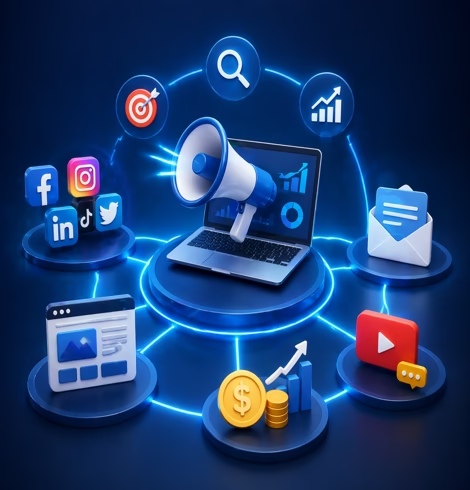
Digital marketing services include a set of online strategies and techniques used to promote products or services through digital channels.
Core Objective
- Increase visibility
- Generate qualified leads
- Improve conversions
- Maximize ROI
Key Channels
- Search engines
- Social media platforms
Why Digital Marketing Is Critical for Small Businesses
1. Cost Efficiency
Compared to traditional advertising, digital campaigns can be executed with controlled budgets and measurable returns.
2. Targeted Reach
Businesses can target users based on:
- Location
- Interests
- Behavior
- Search intent
3. Measurable Results
Every action can be tracked using tools like Google Analytics.
4. Scalability
Campaigns can be scaled based on performance data.
Types of Digital Marketing Services
1. Search Engine Optimization (SEO)
SEO improves a website’s visibility on search engines like Google.
Key Components
- Keyword research
- On-page optimization
- Technical SEO
- Link building
Benefits
- Long-term organic traffic
- Higher credibility
- Sustainable growth
2. Pay-Per-Click Advertising (PPC)
PPC allows businesses to run paid ads and pay only when users click.
Popular Platform
- Google Ads
Key Advantages
- Immediate traffic
- High-intent audience
- Full budget control
3. Social Media Marketing (SMM)
Social media platforms are essential for brand awareness and engagement.
Major Platforms
- YouTube
Services Include
- Content creation
- Ad campaigns
- Community management
.
4. Content Marketing
Content marketing focuses on creating valuable content to attract and retain customers.
Formats
- Blogs
- Videos
- Infographics
- Guides
Objective
Build authority and trust.
.
5. Email Marketing
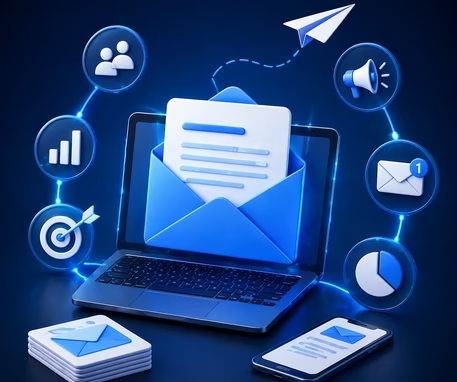
Email marketing remains one of the highest ROI channels.
Use Cases
- Lead nurturing
- Promotions
- Customer retention
Advantage
Direct communication with audience.
6. Conversion Rate Optimization (CRO)
CRO improves the percentage of visitors who take action.
Techniques
- A/B testing
- Landing page optimization
- UX improvements
7. Online Reputation Management (ORM)
ORM focuses on managing reviews and brand perception.
Key Activities
- Review monitoring
- Response strategy
- Brand image management
Step-by-Step Digital Marketing Strategy
Step 1: Define Business Goals
Clear goals determine the strategy.
Examples
- Increase website traffic
- Generate leads
- Boost sales
Step 2: Identify Target Audience
Define:
- Age
- Location
- Interests
- Pain points
Step 3: Choose the Right Channels
Not all channels are required.
Example
- Local business → SEO + Google Ads
- Personal brand → Social media + content
Step 4: Create a Content Strategy
Content should:
- Solve problems
- Match search intent
- Provide value
Step 5: Implement Paid Campaigns
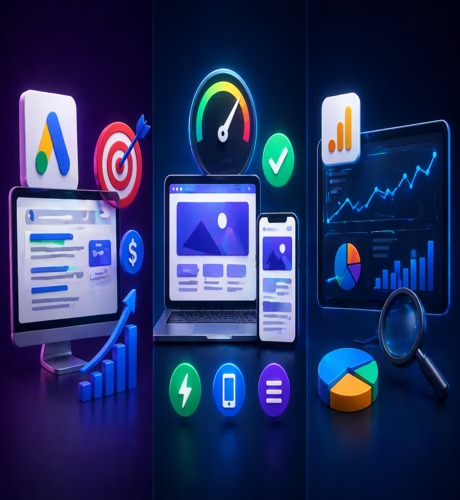
Use platforms like Google Ads for quick results.
Step 6: Optimize Website
Ensure:
- Fast loading speed
- Mobile responsiveness
- Clear navigation
Step 7: Track Performance
Monitor:
- Traffic
- Conversions
- ROI
Use tools like Google Analytics.
Key Metrics to Measure Success
| Metric | Purpose |
|---|---|
| Traffic | Visibility |
| Conversion Rate | Effectiveness |
| Cost Per Lead | Efficiency |
| ROI | Profitability |
| Bounce Rate | User engagement |
Common Mistakes to Avoid
- Ignoring SEO
- No clear strategy
- Targeting wrong audience
- Poor content quality
- No performance tracking
Each mistake directly impacts results.
Cost of Digital Marketing Services in 2026
Estimated Monthly Costs (India)
| Service | Cost Range |
|---|---|
| SEO | ₹10,000 – ₹40,000 |
| PPC | ₹15,000 – ₹1,00,000+ |
| Social Media | ₹8,000 – ₹30,000 |
| Content Marketing | ₹5,000 – ₹25,000 |
Costs vary based on competition and scope.
Latest Trends in 2026
1. AI-Driven Marketing
Automation and machine learning improve targeting and performance.
2. Personalization
Content tailored to individual users.
3. Voice Search Optimization
Conversational search queries are increasing.
4. Video Content Growth
Short-form video dominates engagement.
5. Data Privacy Focus
First-party data is becoming essential.
SEO vs Paid Marketing
| Factor | SEO | Paid Ads |
|---|---|---|
| Speed | Slow | Fast |
| Cost | Low long-term | Continuous |
| Sustainability | High | Low |
| Control | Medium | High |
Best results come from combining both.
How to Choose the Right Digital Marketing Agency
Check:
- Case studies
- Client reviews
- Transparency
- Strategy approach
Avoid:
- Guaranteed results
- Extremely low pricing
- Lack of reporting
Realistic Timeline
- Month 1–2: Setup and strategy
- Month 3–4: Initial results
- Month 5–6: Growth phase
- Month 6+: Scaling
Consistency is required.
Future of Digital Marketing
- Increased automation
- AI-assisted content creation
- Hyper-personalized experiences
- Strong focus on user experience
Businesses must adapt continuously.
Conclusion
Digital marketing services in 2026 are data-driven, performance-focused, and essential for growth. Small businesses that implement structured strategies across SEO, PPC, content, and social media gain:
- Higher visibility
- Better lead quality
- Increased conversions
- Sustainable revenue growth
The key is not using every channel, but using the right channels with precision, tracking, and continuous optimization.
ullamcorper mattis, pulvinar dapibus leo.



Add comment